%201.png)
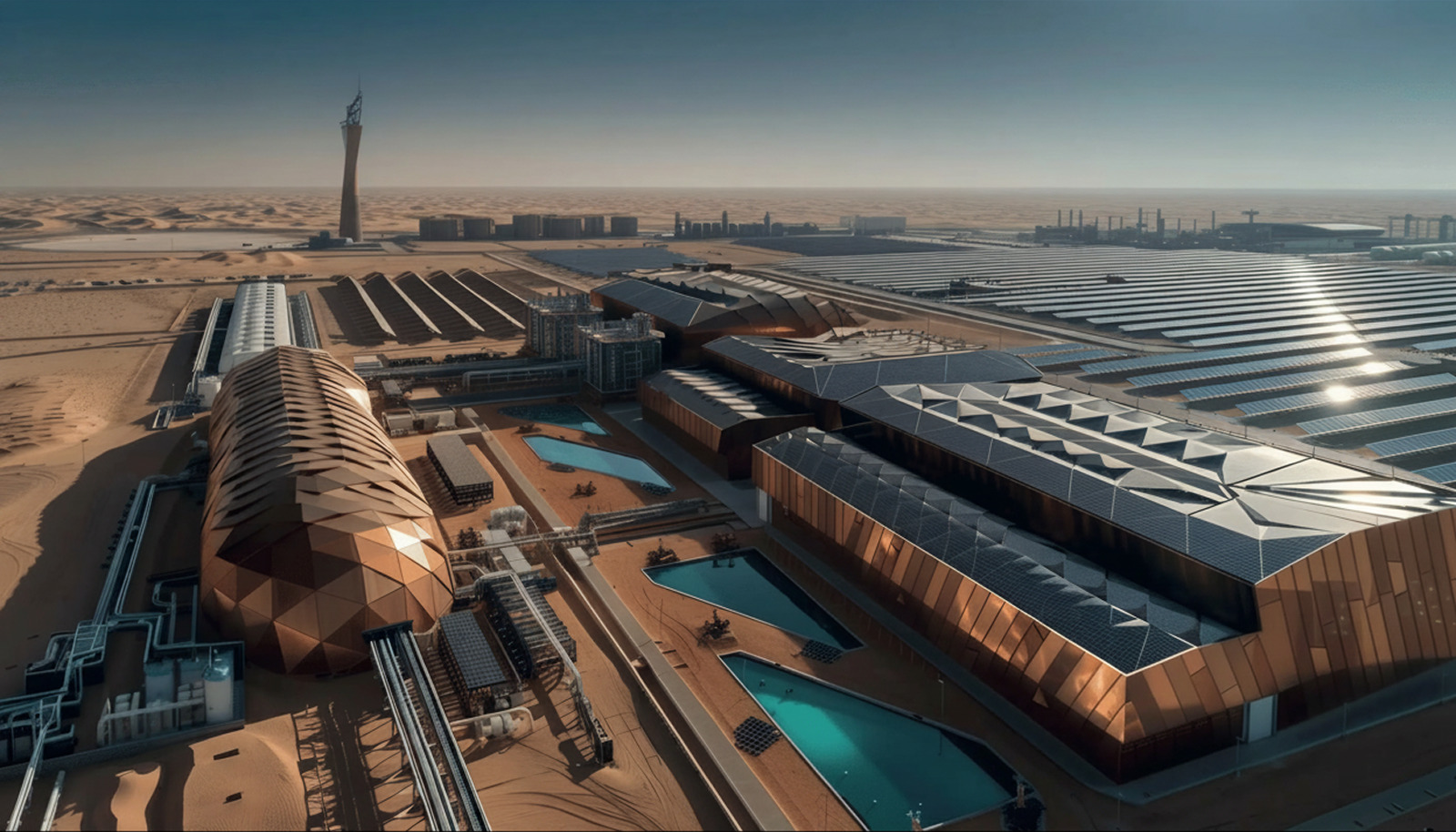
Bitcoin mining, once criticized as the ultimate symbol of energy waste, is now stepping into a new role. The heat it generates can turn salty seawater into fresh water, opening the door to new economies, agriculture, and even new models of development in desert regions.
In the Gulf, nearly 40 percent of all drinking water comes from desalination plants. The process is essential, but also extremely energy intensive. On an industrial scale, two main methods dominate.
The first is membrane desalination, the most common form being reverse osmosis. Seawater is forced through a membrane under high pressure, leaving salts and minerals behind. The method is effective, but it demands vast amounts of electricity to maintain that pressure.
The second is thermal desalination, based on distillation. Seawater is heated until it evaporates, the salt stays behind, and the vapor condenses into freshwater. This method requires less electricity but needs a steady heat source.
And this is where mining enters the picture.
The logic is simple. Almost all the electricity consumed by Bitcoin farms, about 99 percent, is ultimately converted into heat. Normally that heat is expelled into the air by fans and coolers. But redirect it into a thermal desalination system, and waste becomes resource.
Engineers point to multi effect distillation (MED) as the best fit. Unlike membrane technologies, MED works with hot water in the range of 50 to 90 degrees Celsius. That happens to be exactly the temperature range produced by the cooling systems of mining rigs. Instead of dumping it into the atmosphere, that heat can be used to evaporate seawater, condense the vapor, and produce freshwater.
The scale of potential is striking. A facility powered by just a few megawatts of mining waste heat could generate tens of thousands of liters of freshwater every day, enough to support farms or households, with almost no extra electricity required. The only additional demand is for small pumps and auxiliary systems, which account for less than one percent of the energy used.
Importantly, this approach is highly scalable: it can work with small mining sites of just a few hundred kilowatts, but also with industrial scale farms running hundreds of megawatts. Combined with renewable energy sources such as solar or wind, the entire process becomes carbon neutral, fully aligned with the principles of the circular economy.
For the Gulf states, where every drop of water is as precious as oil, this combination of mining and desalination could be transformative. It reframes mining not just as a financial activity, but as part of the social and environmental infrastructure of the region. And it fits neatly into the long term strategies of Abu Dhabi, Riyadh, and Doha, where economic growth is increasingly tied to innovation and sustainability.
This is more than a technological experiment. It is an innovative, eco friendly step into the future, where Bitcoin mining generates not just digital value but also life’s most essential resource: water.



.avif)